Methods for carbon dioxide removalMineralization

About the method
Mineralization turns carbon dioxide into stone. It speeds up a natural process that normally takes thousands of years: CO₂ reacts with rocks rich in calcium or magnesium and forms solid carbonate minerals. These carbonates are stable over geological time scales, which makes mineralization one of the most permanent ways to store carbon.
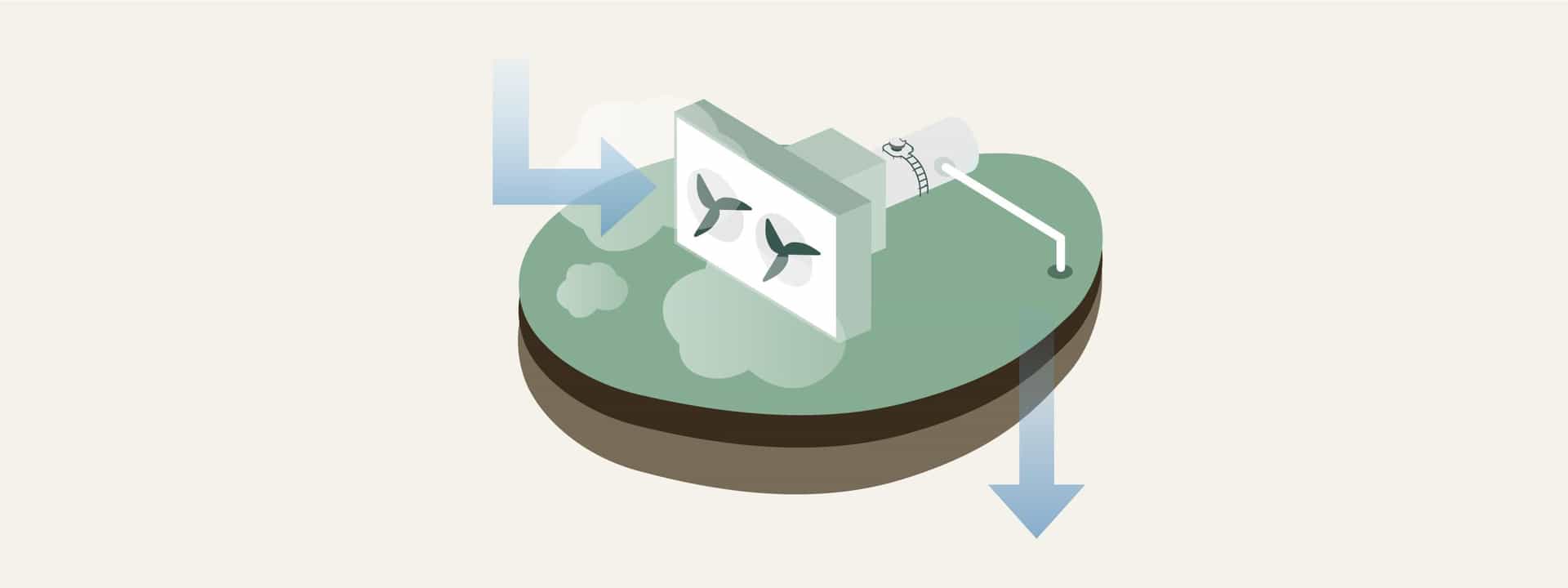
Mineralization can be done passively, removing CO₂ directly from the air, or actively, using captured CO2 to speed up the process further. Most alkaline materials are good candidates for feedstock, including basalts, olivine-rich rock, mine tailings, steel slag or demolition concrete. Passive mineralization works by spreading thin layers of material out to maximize its exposure to the air. Active mineralization can happen in reactors fed with CO₂ captured from the air or from sustainable biomass. Grinding, stirring or heat may help speed up the reaction. The result is a solid carbonate that can be stored safely or used as a building material.
Properties
- Location
- Land
- Sequestration mechanism
- Geochemical
- Carbon storage pool
- Solid carbonate minerals
- Carbon storage pool
- Vegetation, soils & sediments
Qualitative comparison
- Duration of storage
- high
- Potential
- medium
- Technology maturity
- medium
- Cost efficiency
- low-medium
- Co-benefits
- medium