Negative emissions for a positive future
A new industry is emerging around the active removal of carbon dioxide (CO₂) from the atmosphere.
We're bringing carbon removals to COP31
Think Negative gives this growing industry a shared home at COP31 in Antalya. Our pavilion brings together the people developing carbon removal solutions with policymakers, researchers, investors and civil society to explore how these solutions can deliver on global climate goals and what it will take to get there.
Apply for a Think Negative session at COP31
Think Negative is bringing the global carbon removal community together at COP31 in Antalya, 9–20 November 2026. The coalition is convened by the Negative Emissions Platform (NEP), a global trade association representing the permanent carbon removals community, hosting its dedicated carbon removals pavilion.
Bring your ideas, experience and solutions to the programme by applying to host a session. Places are limited, and applications will be assessed against the programme’s selection criteria.
Sponsorship Opportunities
Give your organisation a visible base at COP, connect with policymakers, buyers, investors and the wider carbon removal community, and showcase your work through the Think Negative Pavilion.
Every sponsorship directly supports the coalition’s shared presence virtually and in the Blue Zone.
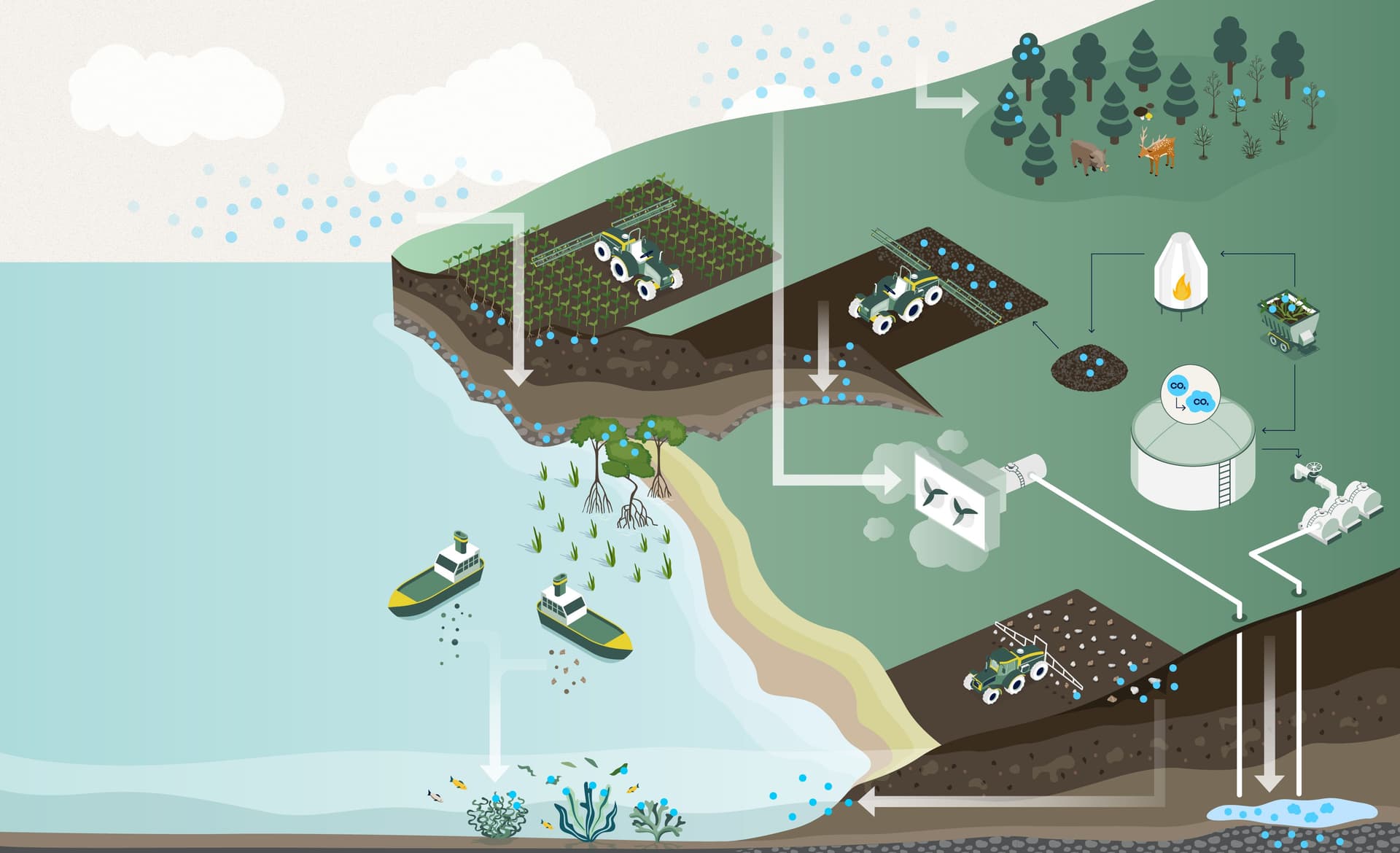
CDR methods
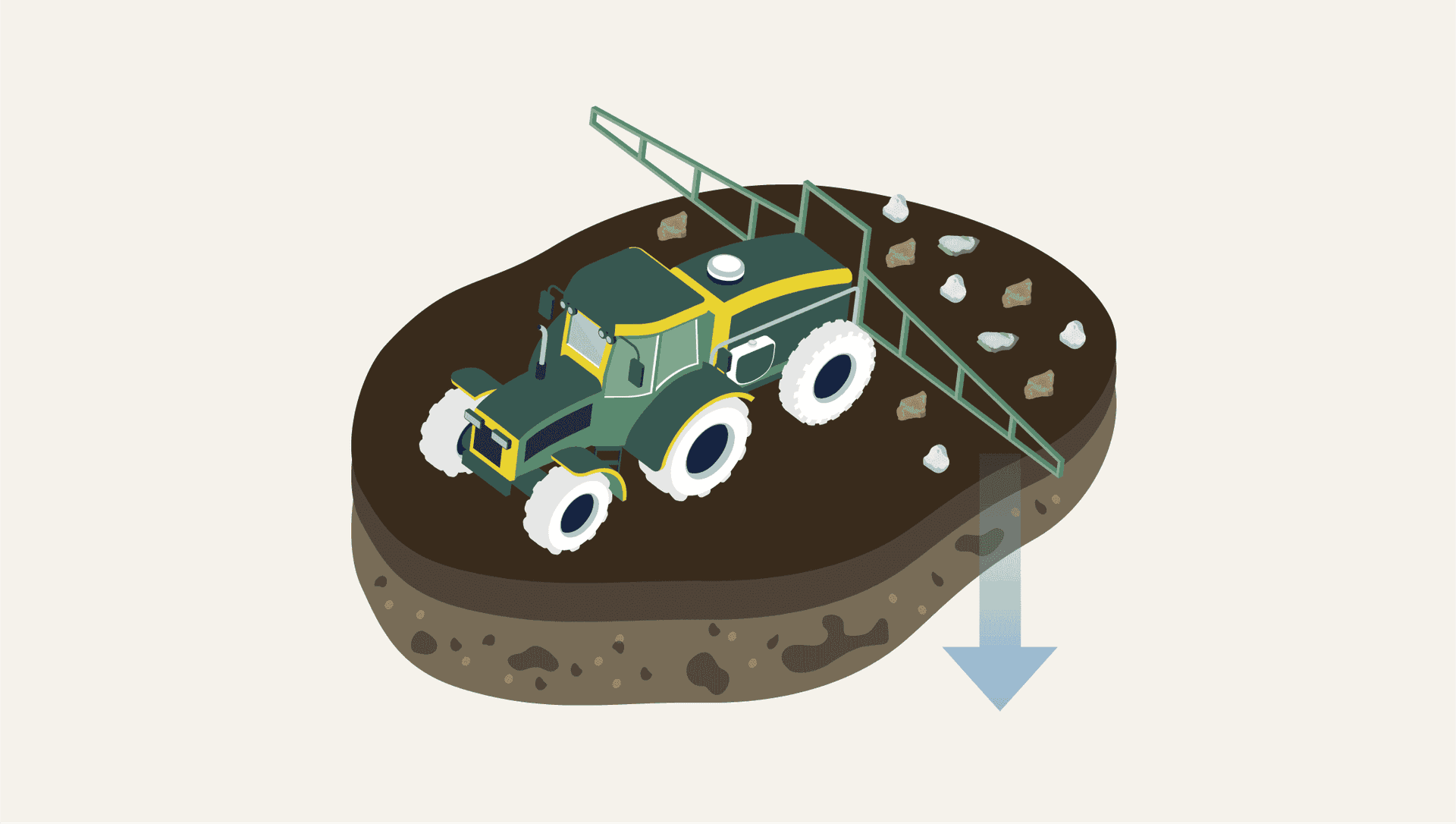
Enhanced rock weathering
This method accelerates the natural process of mineral weathering in order to bind CO₂.
Find out more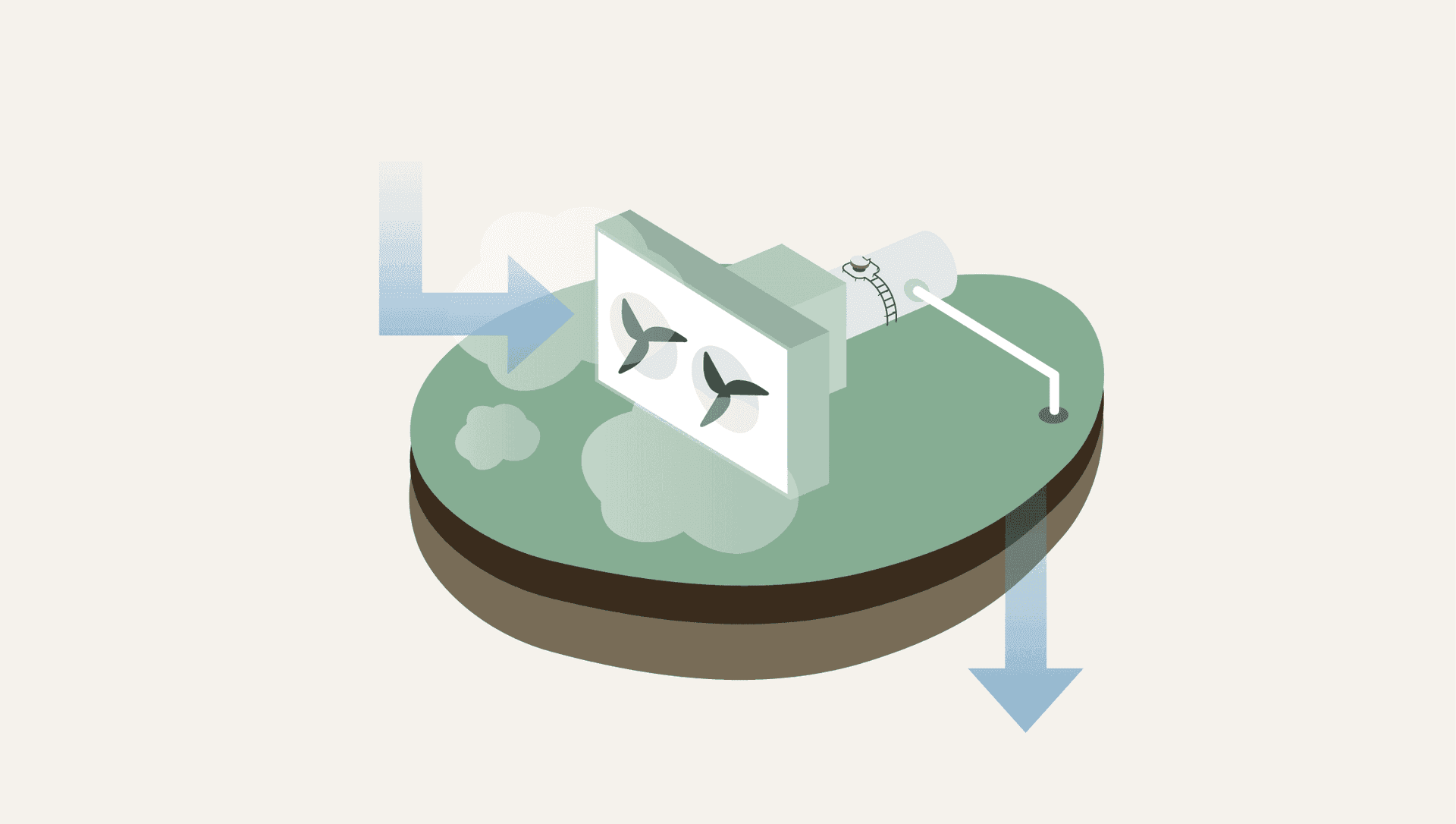
Direct CO₂ capture
Capturing CO₂ directly from the ambient air for subsequent underground storage or use in long-lasting products.
Find out more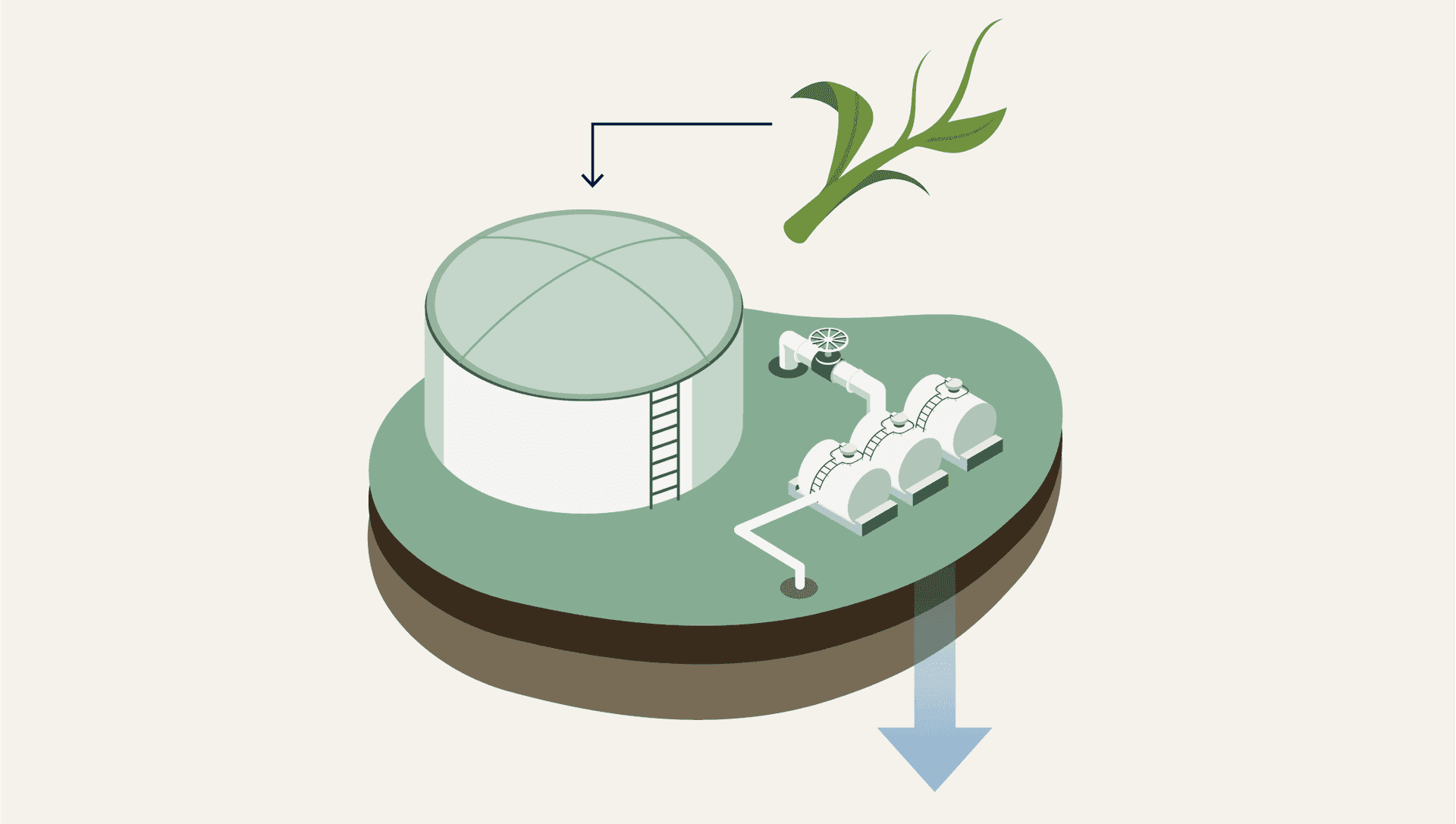
Bioenergy with CO₂ capture
Generating electricity/heat or biomethane from biomass, capturing and storing CO₂ or using it in long-lasting products.
Find out more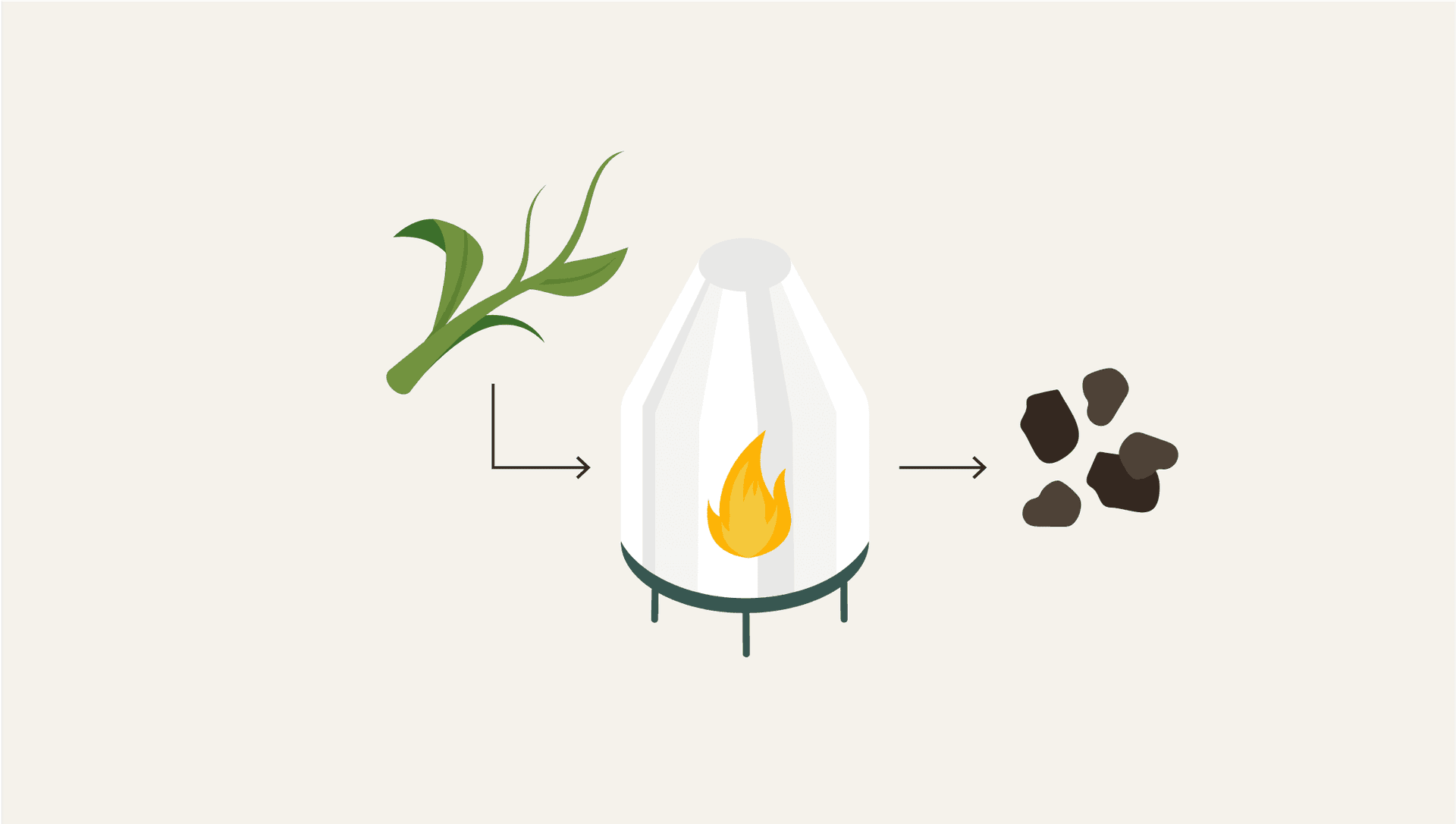
Biochar carbon removal
Converting biomass or other biogenic material into a stable form of carbon that is used to improve soils or in long-lasting products such as asphalt or cement.
Find out more
Improved forest management
Planting new forests and restoring existing ones to capture CO₂ through photosynthesis.
Find out more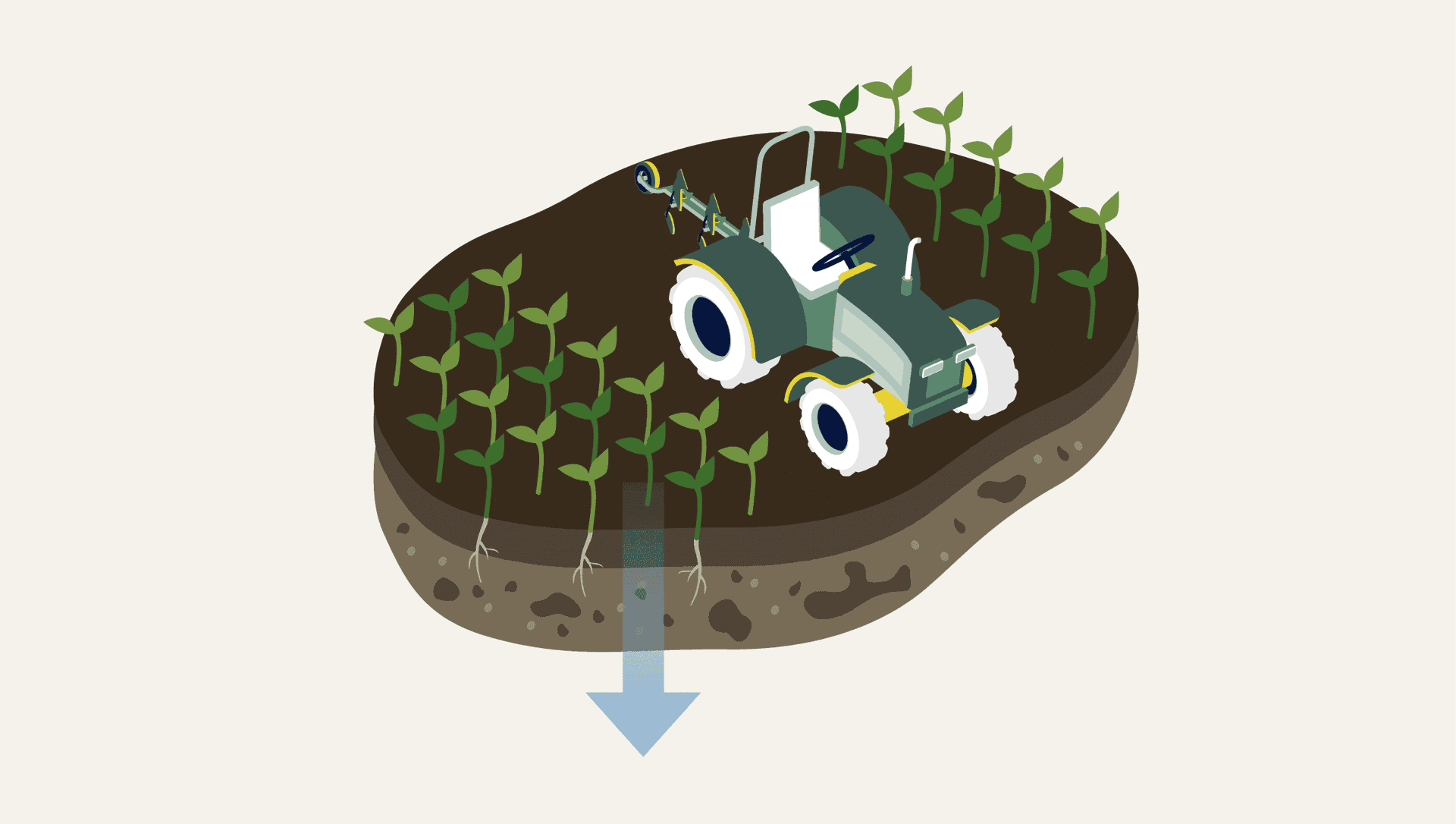
Soil carbon sequestration
This method improves carbon storage in the soil through practices such as direct seeding, cover cropping and organic materials.
Find out more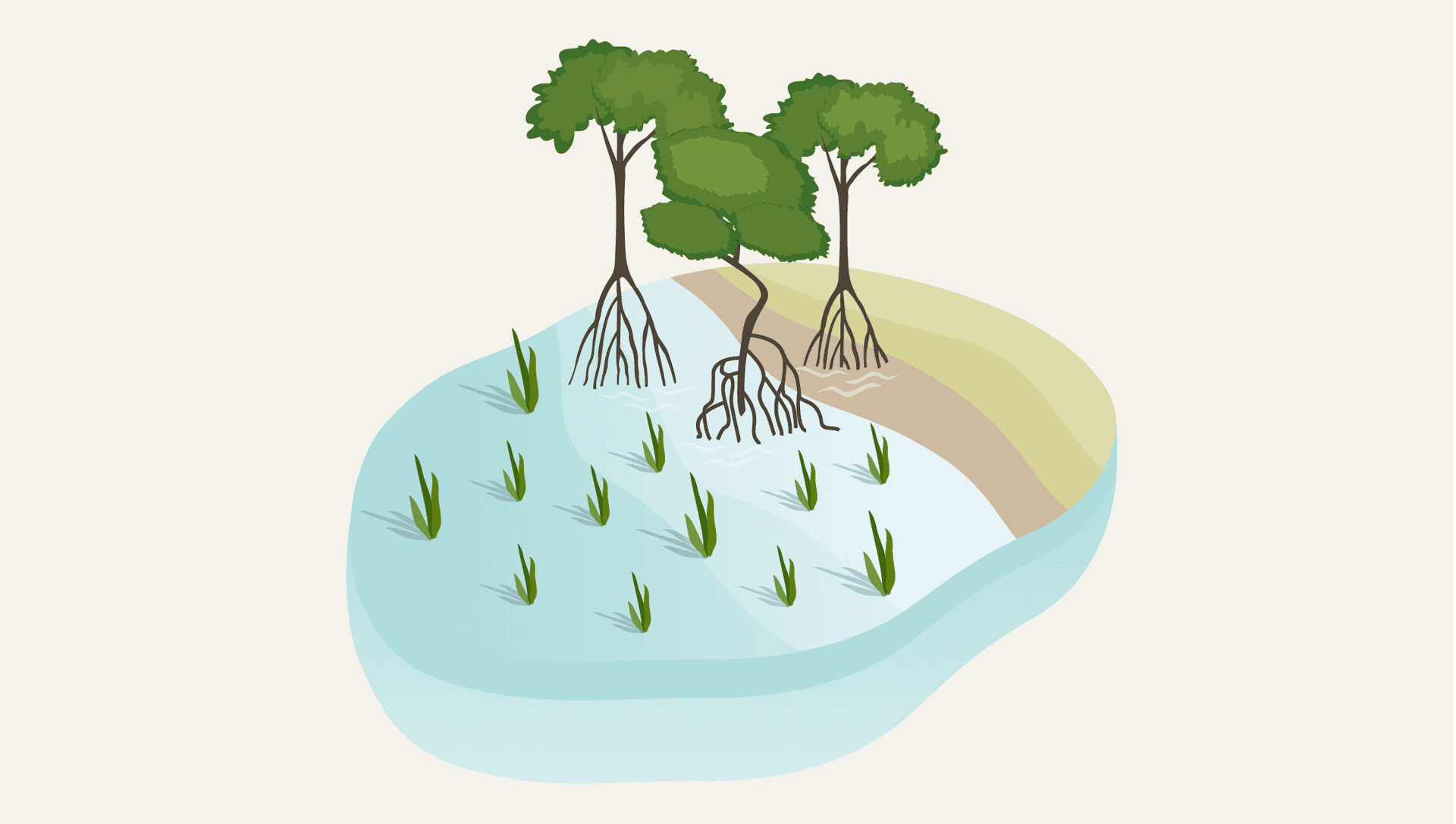
Blue carbon management
Conserving and restoring coastal/marine ecosystems such as mangroves, seagrass and tidal marshes.
Find out more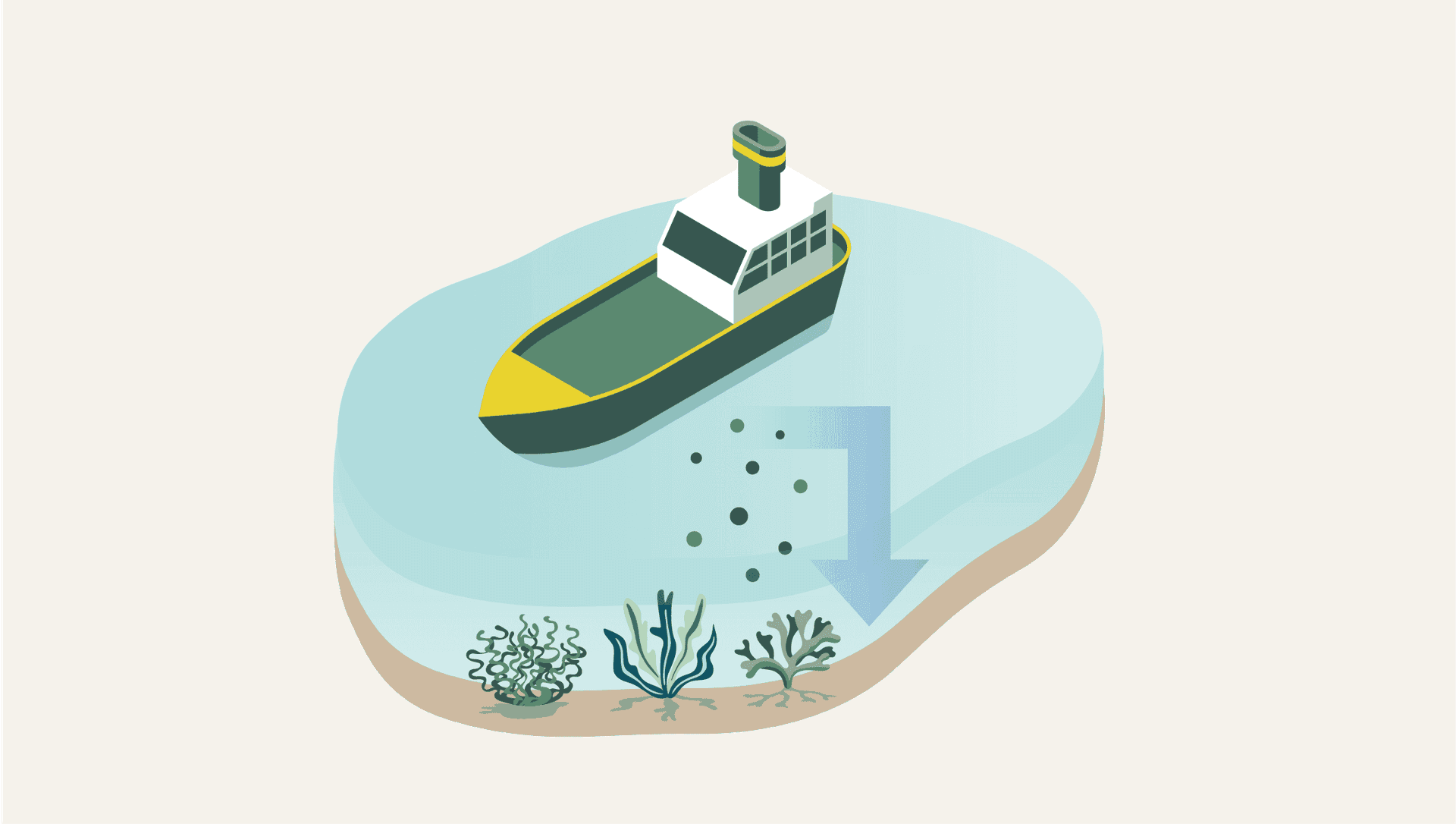
Ocean fertilisation
Adding nutrients such as iron or phosphorus to oceans to promote phytoplankton growth (which absorbs CO₂ through photosynthesis).
Find out more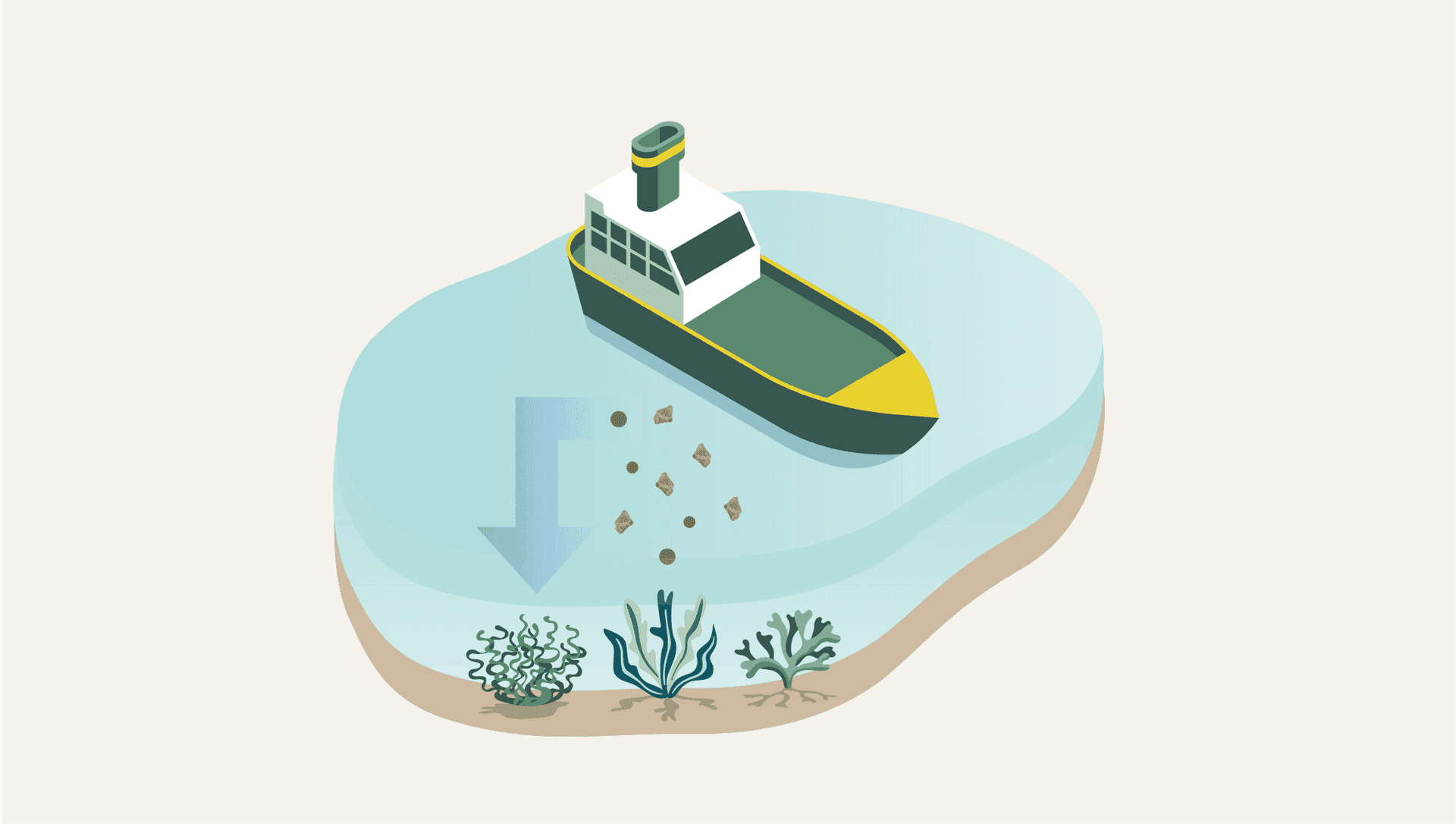
Alkalisation of oceans and rivers
This method can increase the ocean’s capacity to absorb and store CO₂ by adding alkaline minerals to seawater.
Find out more